carbendazim (sum)
- Detection Rate
- 11.5%
- Benchmark Usage
- 0.02%
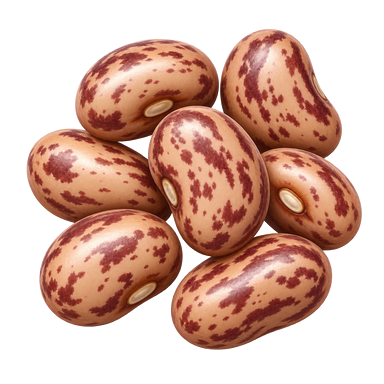
Black Beans has a pesticide load score of 13 and a Food Compass 2.0 score of 95, based on 26 monitoring samples.
Preparation & Safety
For black beans, pesticide penetration into the edible portion is relatively low. Wash thoroughly under cool running water for 30 seconds before peeling or slicing to prevent transferring surface contaminants onto clean kitchen tools.
Market Comparison
| Market | Load Score | Samples Tested | Detection Rate | Reliability |
|---|---|---|---|---|
| UK | 19 | 26 | 46.2% | ⚠️ Sparse (26) |
⚠️ Data Note: Markets marked with Sparse have under 30 official laboratory samples in the public record. A 0% detection in sparse tests does not guarantee absolute absence of residue in that region.
Chemical Residue Breakdown
Public Evidence Trail
Explore Peer Produce