Official Laboratory Data ยท 2026 Edition

Know what is on your produce before you shop.

Explore 69 fruits, vegetables, and legumes across 9 international markets. Instantly compare laboratory-tested pesticide load, longevity nutrition scores, and organic buying recommendations.

Smart Grocery Strategy

When to buy organic vs save money

Not all produce requires an organic premium. Use pesticide monitoring data to maximize your health and grocery budget.

PRIORITIZE ORGANIC

Thin-Skinned & Leafy Produce

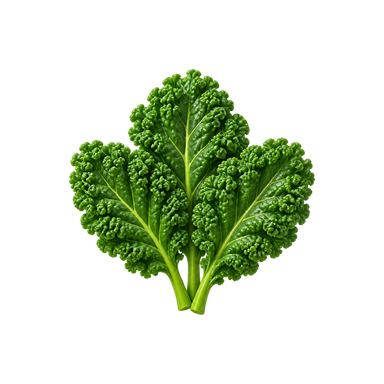
Berries, leafy greens, and soft-skinned fruits (Strawberries, Spinach, Kale, Bell Peppers, Celery) absorb agricultural sprays directly into their edible flesh.

  • High detection rates (often 80%+ of samples contain multiple residues)
  • Pesticides penetrate below the surface peel and cannot be washed off completely
  • Organic alternatives show 80โ€“95% lower synthetic residue load
BUY CONVENTIONAL & SAVE

Thick-Skinned & Protected Produce

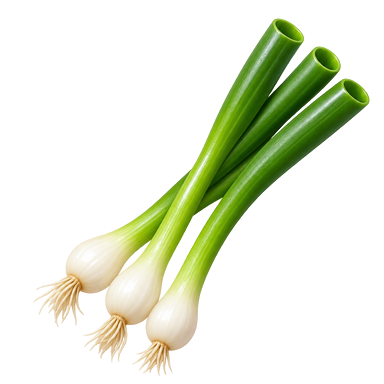
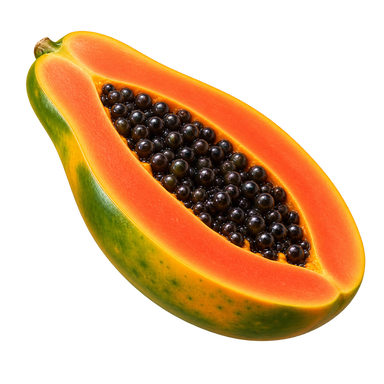
Produce with thick protective peels, outer husks, or natural wax coatings (Avocado, Sweet Corn, Pineapple, Onions, Papaya) naturally block chemical absorption.

  • Low detection frequency (over 65% of samples show zero detectable residue)
  • Outer peel is discarded before human consumption
  • Conventional versions provide excellent nutrition at lower retail cost
SCIENTIFIC WASHING

Baking Soda Soak Protocol

Water alone leaves hydrophobic pesticide residues behind. A 1% baking soda solution degrades chemical compounds significantly faster.

  • Mix 1 teaspoon of baking soda per 2 cups of cool tap water
  • Submerge produce for 12 to 15 minutes with gentle agitation
  • Rinse thoroughly under running water before slicing or eating

Methodology & Science

Three metrics, grounded in public science

We translate complex toxicological and nutritional data into transparent consumer metrics without marketing bias.

01

Pesticide Load Score

A relative score (0 to 100) calculated from laboratory-tested chemical concentrations, detection frequency, and EPA toxicological benchmarks. Lower score means cleaner produce.

02

Food Compass Score

Tufts University Food Compass 2.0 score (0 to 100) evaluating 54 nutrient attributes across 9 health domains. Higher score reflects richer nutrient density and positive longevity association.

03

Evidence Quality Index

Transparently displays sample size (184,077 total monitoring tests) and benchmark coverage percentage, distinguishing deeply tested staple crops from limited-sample niche items.


Common Questions

Produce safety and residue FAQs

Does organic produce contain zero pesticides?

Not always. Organic agriculture strictly prohibits synthetic chemical pesticides, but certified organic farms are permitted to use approved biological, botanical, or mineral treatments (such as copper sulfate or Bacillus thuringiensis). Official monitoring tests demonstrate that organic produce has drastically fewer synthetic pesticide residues and a 80-95% lower total pesticide load compared to conventional produce.

How can I effectively remove pesticide residue from fruits and vegetables?

Peer-reviewed research from the University of Massachusetts demonstrated that soaking produce in a 1% baking soda (sodium bicarbonate) solution for 10 to 15 minutes removes significantly more surface residues (such as thiabendazole and phosmet) than plain tap water or commercial produce washes. Always follow with a thorough cold water rinse.

Should I avoid eating fruits and vegetables if organic is too expensive?

Absolutely not. Leading health and dietary authorities emphasize that the proven cardiovascular and longevity benefits of consuming fresh fruits and vegetables far outweigh the trace risks of pesticide residue. If budget is a factor, buy conventional produce from the Clean Fifteen list and wash thoroughly.

Where does the monitoring data come from?

All data is aggregated from official government food safety testing programs, including the USDA Pesticide Data Program (PDP) in the United States, the European Food Safety Authority (EFSA) across EU member nations, the UK Pesticide Residues in Food (PRiF) committee, and the Canadian Food Inspection Agency (CFIA).

Produce Directory

Browse all 69 produce profiles

Click any item to inspect detailed market comparisons, residue chemical drivers, and official testing reports.